AI Meal Planning Checklist for Faster, Healthier Weeks
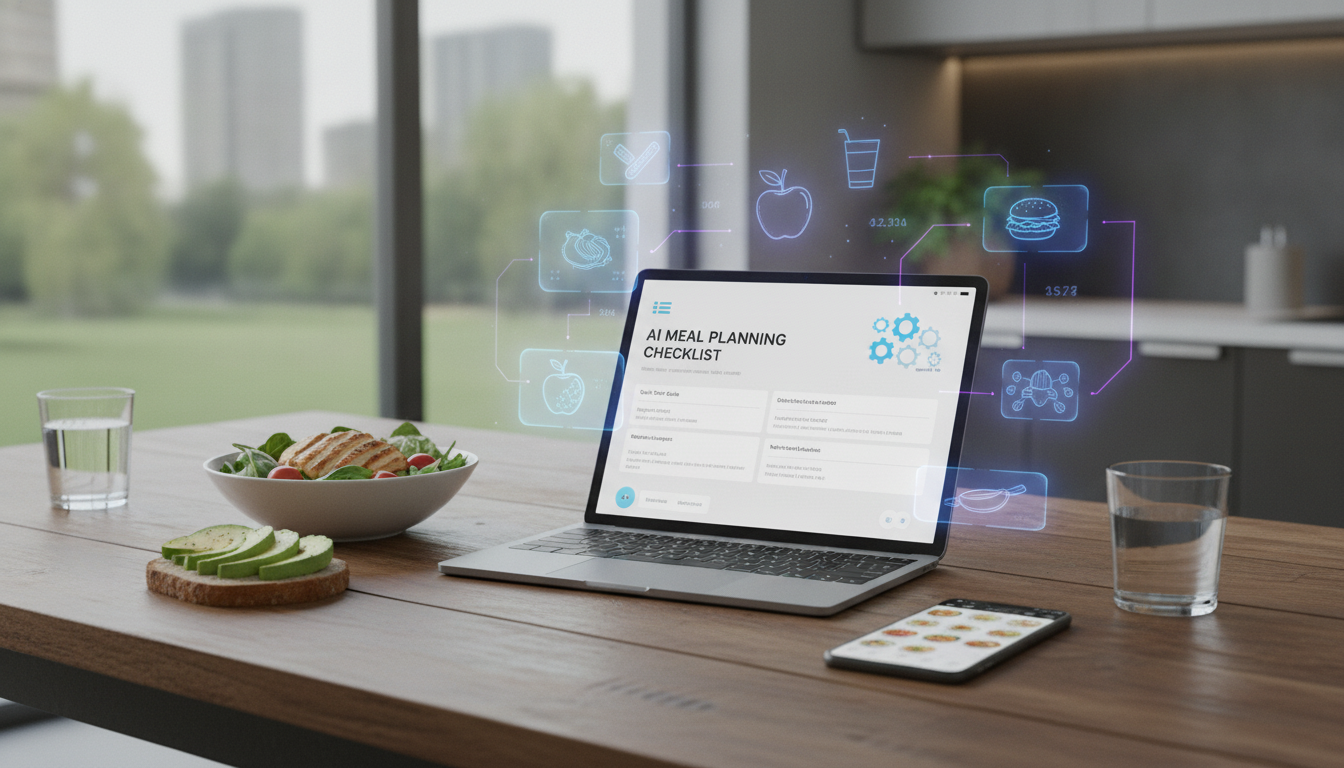
Smart Bites, Smarter Life: An AI Meal-Planning Checklist for Faster, Healthier Weeks
A practical, repeatable system for using AI to turn your preferences, schedule, and nutrition goals into a realistic weekly plan—complete with a grocery list, prep steps, and built-in flexibility for busy days. The goal isn’t a “perfect” plan; it’s a plan you’ll actually cook, even when the week gets messy.
What “AI-assisted meal planning” actually looks like day to day
AI-assisted meal planning works best when you start with real-life constraints before you ask for recipe inspiration. That means naming your limits—time, budget, dietary needs, cooking skill, and what equipment you’ll actually use (sheet pan, slow cooker, air fryer, rice cooker).
Then you use AI for structure: a weekly template, rotation ideas, a leftovers strategy, and a grocery list that matches the plan. Think of AI as your planning assistant, not your boss. You keep control by treating suggestions as drafts—choosing ingredients, portions, and substitutions that fit your household.
Consistency beats perfection. A simple plan you repeat (and tweak) will save more time than an elaborate plan you abandon by Wednesday.
The 10-minute setup checklist (do this once, then reuse)
Before you plan a single week, capture a few “household rules” so AI can generate ideas that are more accurate and less annoying to edit.
- Household profile: number of people, typical appetite, allergies, dietary pattern, and “hard no” foods.
- Week-level goals: quick dinners, higher protein, more vegetables, lower added sugar, or reduced food waste.
- Kitchen reality: pantry staples, freezer items, appliances, and must-use ingredients that shouldn’t get wasted.
- Weekly rhythm: 2 cook-nights + leftovers, or 4 cook-nights + 1 easy night + 2 flexible nights.
- Portion strategy: cook extra for lunches, or plan separate lunches with simple assembly meals.
If you want a reusable template you can keep on your phone (or print), the Smart Bites, Smarter Life | AI Meal Planning Checklist (Digital Download) pulls these basics into a repeatable routine you can run weekly.
A simple workflow: from ideas to a plan you’ll follow
This workflow keeps you out of the “scrolling recipes for an hour” trap and moves you from ideas to shopping and prep—fast.
Step 1 — Generate a shortlist
Ask for 12–15 dinner ideas that match your constraints and season. Then star 5–7 that sound genuinely appealing (not just “healthy”).
Step 2 — Balance the week
Mix cooking methods (sheet-pan, skillet, slow cooker), proteins, and cuisines so the week doesn’t feel repetitive. Build in at least one leftovers night on purpose.
Step 3 — Confirm ingredients
Request short recipe summaries with key ingredients and prep time. Cut anything that requires specialty items, complicated steps, or too many moving parts on a weeknight.
Step 4 — Build the grocery list
Have AI produce a consolidated list grouped by store section, with quantities scaled to servings. This reduces duplicate purchases and makes it easier to spot what you already have.
Step 5 — Add a prep map
Identify 2–3 batch tasks that “unlock” multiple meals—like chopping vegetables, cooking grains, or marinating protein. Keep the total to 1–2 hours max.
| Stage | What to decide | What to ask AI for | Output to save |
|---|---|---|---|
| Constraints | Time, budget, diet, equipment | A plan that fits these limits | Your “household rules” note |
| Shortlist | Meals you’d actually eat | 15 ideas with time per meal | A starred list of candidates |
| Schedule | Which nights are busy | A 7-day calendar with leftovers | A realistic week grid |
| Shop | What you already have | Consolidated list by aisle | A final grocery list |
| Prep | 1–2 hours max | Batch-prep steps in order | A prep checklist |
Tips that make AI meal plans more accurate (and more cookable)
For households that run hot and cold on motivation, it helps to keep your routine visible and easy to repeat. A digital guide like Smart Bites, Smarter Life | AI Meal Planning Checklist (Digital Download) can serve as that “reset button” you return to each week.
Eating healthier without overcomplicating dinner
- Use the plate method: emphasize vegetables and fruits, add protein, then round out with whole grains or starchy vegetables. For a clear visual, see USDA MyPlate and the Harvard Healthy Eating Plate.
- Boost fiber effortlessly: rotate in beans, lentils, quinoa, brown rice, or whole-grain pasta a few times a week.
- Prioritize protein for satiety: eggs, Greek yogurt, tofu/tempeh, poultry, fish, beans, or lean meats across the week.
- Reduce decision fatigue: repeat 2–3 breakfasts and 2–3 lunches; save creativity for dinner.
- Make “healthy” easier than takeout: keep a short list of 10-minute meals like omelets, tacos with bagged slaw, tuna bowls, and freezer-veg stir-fry.
How to keep the plan flexible (without wasting food)
Also keep food safety simple: refrigerate perishables promptly and reheat leftovers to safe temps. The CDC’s food safety guidance is a helpful reference for best practices.
Downloadable checklist for smart cooking routines
- Smart Bites, Smarter Life | AI Meal Planning Checklist (Digital Download Guide)
- How ChatGPT Can Help You Build Better Relationships (Digital Download PDF)
FAQ
Which details should be included for an AI meal plan that actually matches a busy schedule?
Include servings, active vs. total cook time, preferred appliances, weeknight time limits, dietary needs, budget range, and how many leftover lunches you want. The more specific your limits are, the more the plan will reflect real life.
Can AI meal planning help reduce grocery costs?
Yes—by consolidating ingredients across meals, prioritizing pantry/freezer staples, planning leftovers, and generating an aisle-grouped list that reduces impulse buys and duplicate items.
How can healthier meal plans stay realistic for picky eaters?
Use small swaps (whole grains sometimes, extra veggies in familiar dishes), keep a repeatable rotation, allow one comfort night, and plan mild-seasoning versions with optional add-ons for adventurous eaters.






Leave a comment