AI for Mental Wellness: Journaling, Mindfulness & Calm

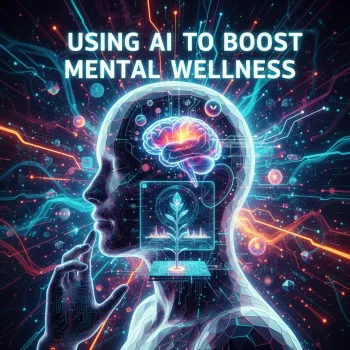
Using AI to Boost Mental Wellness: A Digital Guide to Self-Care, Mindfulness, Stress Relief, Journaling, Meditation, and Creative Support
AI can support mental wellness habits by making self-care easier to start, simpler to repeat, and more personalized day to day. Used thoughtfully, it can help with reflection, mindfulness, stress reduction, and creative expression—without replacing professional care or real human connection. This guide focuses on practical, low-pressure ways to use AI tools for emotional balance, with safeguards for privacy, overreliance, and unrealistic expectations.
What AI Can (and Can’t) Do for Mental Wellness
Think of AI as a “supportive structure” for habits that already help: noticing your mood, calming your body, organizing thoughts, and taking small next steps.
- Support consistency: reminders, gentle check-ins, and structured routines that reduce decision fatigue.
- Offer reflection prompts: questions that help label emotions, identify patterns, and clarify needs.
- Provide skill practice: guided breathing timers, short meditations, and cognitive reframing exercises.
- Boost creativity: writing, music, drawing ideas, or “brain-dump to poem” exercises that release tension.
- Not a substitute for therapy: AI is not a clinician and cannot diagnose, treat, or manage crises.
- Best role: a self-care assistant that complements evidence-based practices and professional support when needed.
For grounded, research-informed basics on mental health habits, the National Institute of Mental Health (NIMH) offers a helpful overview of practical steps that pair well with digital support.
A Simple Daily Flow: Check-In, Calm, Reflect, Create
The most effective routine is the one that fits into real life—especially on stressful days. A micro-routine keeps effort small and repeatable, so it’s more likely to become a steady anchor.
Daily micro-routine using AI support
| Time | Goal | AI-assisted idea | Low-effort alternative |
|---|---|---|---|
| Morning | Notice mood | Generate 3 gentle check-in questions | One-word emotion label |
| Midday | Lower stress | Guided 3-minute breathing script | Set a 60-second timer to breathe |
| Evening | Process the day | Summarize journal notes into themes and next steps | Write 3 bullet points: stressor, need, tiny action |
| Anytime | Express & reset | Create a short poem or drawing prompt from feelings | Doodle for 2 minutes |
Keep it small: the goal is repeatability, not perfection. Short routines are often more sustainable under stress because they don’t require a “fresh start” mentality to keep going.
AI Journaling for Emotional Clarity (Without Oversharing)
Journaling works best when it’s structured enough to reduce spiraling, but flexible enough to feel honest. AI can help by turning a blank page into a gentle sequence that moves you forward.
- Use structured entries: “What happened?”, “What did it trigger?”, “What do I need?”, “What’s one small step?”
- Ask for pattern spotting: identify recurring stress triggers across entries (sleep, workload, conflict, uncertainty).
- Try reframe prompts: list alternate explanations, what is controllable vs. uncontrollable, and one compassionate statement.
- Protect privacy: avoid names, addresses, medical details, and identifiable workplace specifics in tool inputs.
- Keep ownership: treat AI output as a draft—edit it to match real feelings and lived context.
A simple approach is to write a messy “brain dump” for two minutes, then ask AI to summarize it into: (1) top three themes, (2) one need, and (3) one tiny next step you can finish in under five minutes.
Mindfulness and Meditation with AI: Personalization Over Perfection
Mindfulness is less about emptying your mind and more about practicing a gentle return—back to the breath, the body, or the present moment. AI can help by creating “situational scripts” that match what you’re feeling right now.
For a clear explanation of how mindfulness meditation supports stress management, the American Psychological Association breaks down the fundamentals in a practical way.
Creativity Tools for Emotional Balance
If you want a structured, evidence-informed approach to handling stress in the moment, the World Health Organization’s “Doing what matters in times of stress” is a widely respected resource that aligns well with short, repeatable daily routines.
Guardrails: Safety, Overreliance, and When to Seek Help
Putting It Together: A Practical Digital Guide and Helpful Add-Ons
- Using AI to Boost Mental Wellness | Digital Guide for Self-Care, Mindfulness & Stress Relief | AI Journaling, Meditation, and Creativity Tools for Emotional Balance (digital download) helps streamline daily check-ins, calming scripts, reflection formats, and creative prompts.
- Pair digital routines with a simple sensory cue—consistent lighting, a familiar scent, or comfortable air moisture. A practical option is the UFO Ultrasonic Air Humidifier & Essential Oil Diffuser with Remote Control for a steady “wind-down” signal in the evening.
- Emotional wellness is also relational. Communication stress often amplifies anxiety and rumination, so structured reflection can help. The How ChatGPT Can Help You Build Better Relationships (digital download) supports calmer conversations, clearer needs, and less reactive conflict patterns.
FAQ
Is AI journaling private and safe to use?
Privacy depends on the platform. Avoid sharing identifiable details, review data retention and sharing settings, and consider local/offline options when available; treat AI as a general reflection tool rather than a place to store sensitive personal information.
Can AI replace therapy for anxiety or depression?
No. AI can support habits like reflection, coping skills practice, and structure, but it can’t diagnose or replace professional treatment; persistent symptoms deserve clinician support, and crisis situations require immediate local emergency or hotline help.
What’s the easiest way to start using AI for mindfulness without getting overwhelmed?
Use a once-daily micro-routine: a 1-minute mood check-in, a 2-minute breathing reset, and a 3-minute journal summary. Keep the questions simple, stick to one scheduled time, and track what genuinely feels calming rather than what sounds ideal.





Leave a comment